ResourcesNo Rules Rules: NETFLIX and the Culture of Reinvention
LeadershipStrategy & Innovation
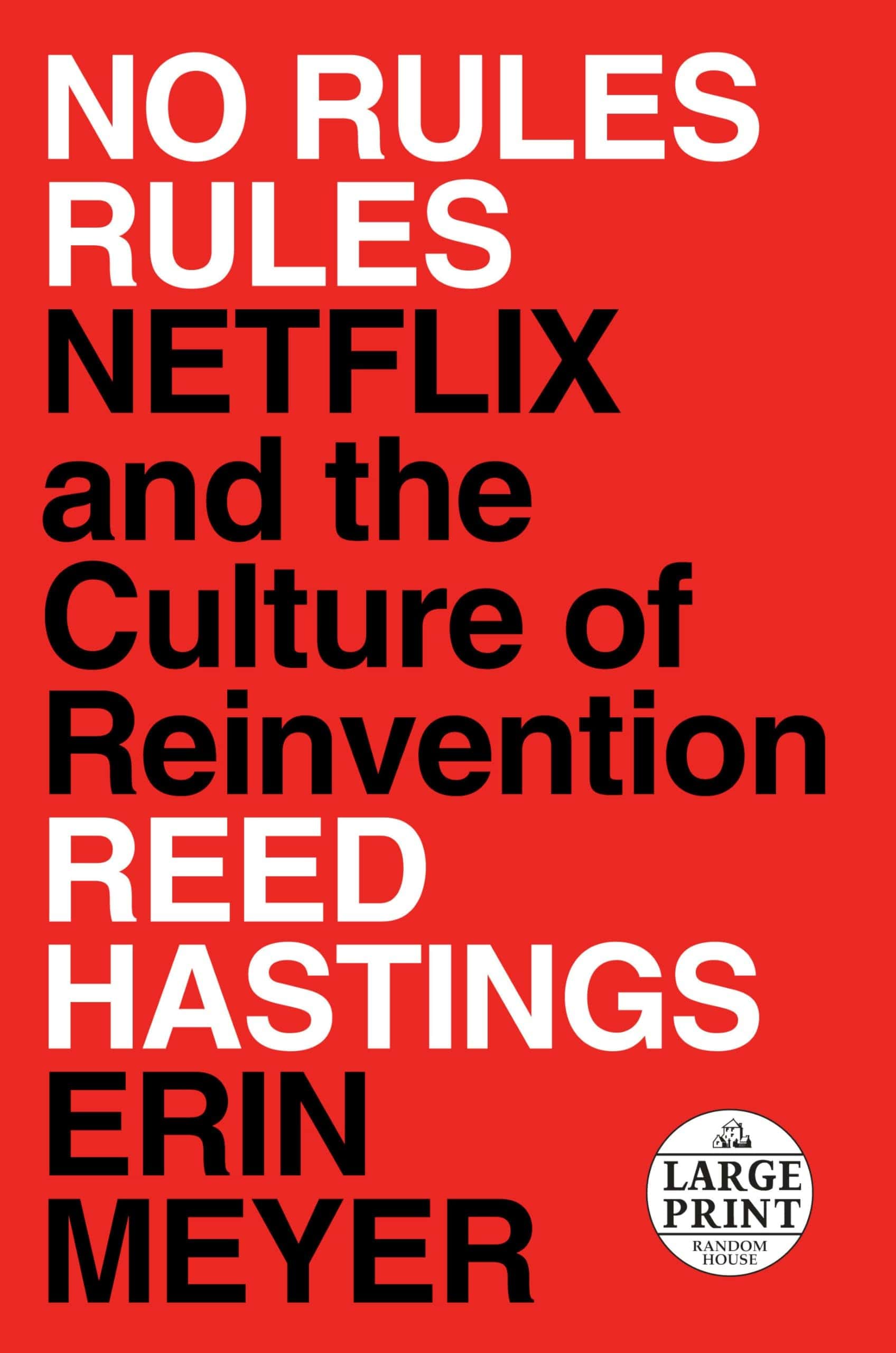
No Rules Rules: NETFLIX and the Culture of Reinvention
by Reed Hastings, Erin Meyer
No Rules Rules tells the story of how Netflix’s creator, Reed Hastings, founded a business that questioned the status quo. As Netflix’s popularity increased, Hastings gave his workers more independence rather than imposing more laws. At Netflix, good performance is rewarded with a generous severance package, and hard work is overlooked. You don’t aspire to satisfy your boss at Netflix; instead, you exercise radical candor.
Dream Teams Consist of Stunning Colleagues
The authors argue your first priority should be to build a workplace that consists of stunning colleagues. A stunning colleague is creative, passionate, and productive. Once most of your team is built on stunning colleagues, you can safely call your team a dream team. As well as dream teams performing effectively, individual stunning colleagues will feel valued and satisfied when they are part of a dream team. As a result, the authors agree that an optimal environment for Netflix is one in which the team works together to accomplish ambitious shared goals.
How Netflix Builds Dream Teams
There are no guidelines on what is and is not suitable conversation with managers at Netflix. Team members are free to discuss any subject with their superiors without fear of retaliation. They are also free to make errors as long as they aim to change after doing so. Hard work does not create successful dream teams. Instead, being effective is the secret to success. A stunning colleague is judged on their contributions to the team rather than how hard they work. When you find stunning colleagues who are also productive, you must reward them at the top of their market.
The Four As
The 4As are recommended as a way to boost your team's feedback:
- Aim to Assist: Feedback should have a positive purpose. Frustration or hatred should never justify giving feedback.
- Actionable: Include a call to action in your feedback. Feedback without action is pointless.
- Appreciate: Learn to embrace feedback. Relax and recognize that it comes from a positive place.
- Accept or Discard: Ignore feedback that isn't constructive.
Remove Controls
Employees are often exposed to controls in the workplace. Netflix's growth has allowed a reduction in controls and rules. Travel and cost approvals can be eliminated. Instead, set the context for spending upfront and check claims afterward. Encourage audits for a portion of receipts if overspending occurs.
The Keeper Test
After the dot-com bubble, Netflix implemented the Keeper Test to assess which workers to retain. Leaders ask themselves: “Which of my people would I fight hard to keep if they told me they were leaving for a similar job at another company?” Do not waste money on PIPs (Performance Improvement Plans); instead, give a generous severance. Be honest and transparent when someone leaves.
Having a culture of freedom and responsibility seems to be working for Netflix. Maybe it will work for you as well?